
Haunted Houses & Ghosts – Week One of our Ultimate Halloween Worldbuilding Series
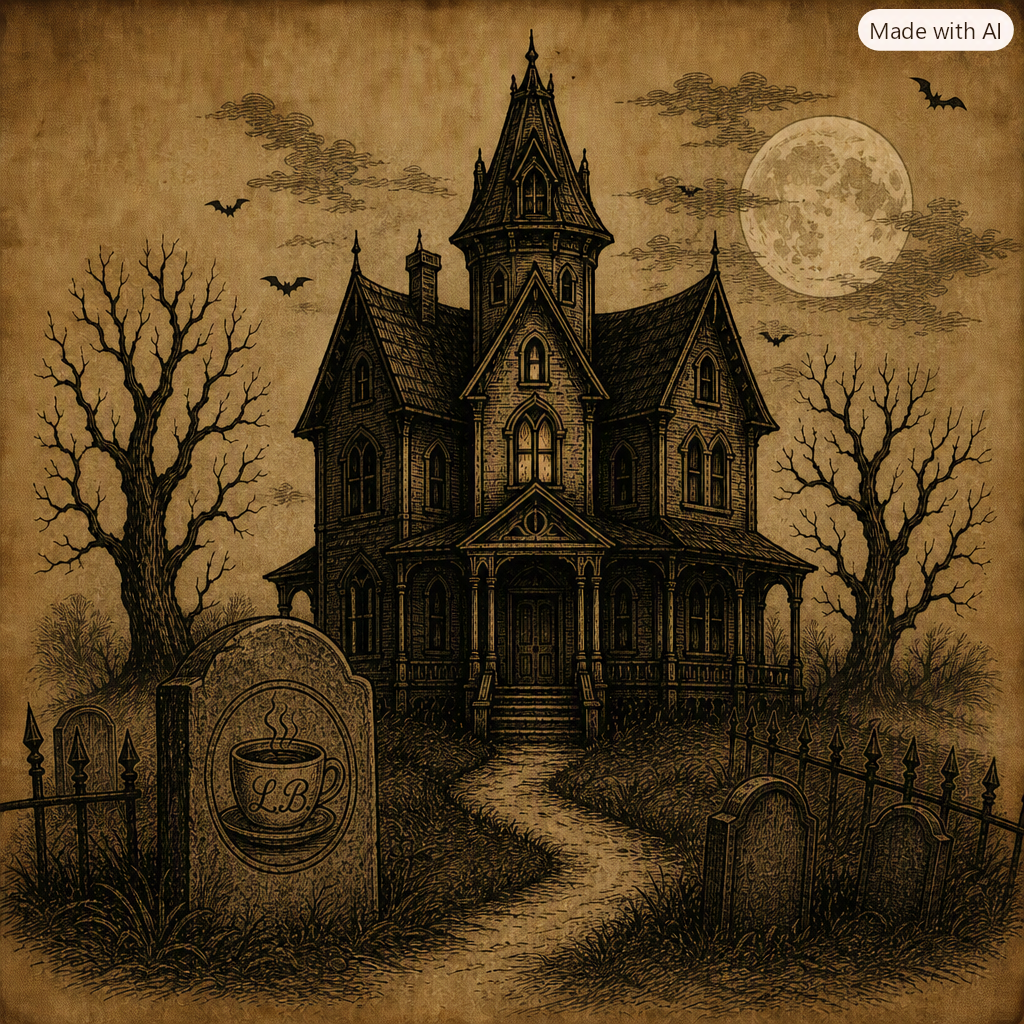
Supernatural fiction begins with atmosphere – and few things set a Halloween atmosphere better than haunted houses and ghosts. Together, these two systems form the architectural and emotional foundations of most supernatural stories. This week, in the Halloween Worldbuilding Kit explores how haunted houses and ghosts function, how they create tension, and how you can use them to build a compelling supernatural narrative.
The Supernatural Ecosystem: How Haunted Stories Work
Random scares do not build great supernatural fiction, instead, systems do. In fact, these interconnected elements reinforce each other. In this section, we will look at these elements in this section.
- The haunted house is the vessel.
- The ghost is the emotional core.
- The curse is the logic.
- The ritual is the mythology.
- The monster is the danger.
- The demon is the temptation.
- The protagonist is the catalyst that binds them all.
Ultimately, all of these – vessel, emotion, logic, mythology, danger, and temptation – work together, giving your story depth, coherence, and a sense of inevitability. Next, we will go through each of these and expand a bit more on how to maximize their use.
Part One – The Haunted House Story Structure
A haunted house does more than provide a spooky setting; instead, it stalks the protagonist, traps them, and reflects their deepest fears. Moreover, the strongest haunted house stories give the building history, rules, wounds, and desires, so every creaking floorboard and locked door feels like part of a larger supernatural design.
Crossing the Threshold
Every haunted house story begins with a reason to enter. At the same time, there is also a subtle sense something is wrong. First, we need to determine why the protagonist enters. Next, we need is to determine the protagonist’s first impression.
- Inheritance
- Investigation
- Refuge
- A dare
- A personal mystery
First impressions should feel “off.” Things should key the reader something isn’t right.
- A draft of cold air
- A door that refuses to stay shut
- A portrait that seems to watch
- Silence that feels too heavy
Early on, you need to introduce a symbolic object – a mirror, a locked door, a key, a portrait – something that will matter later in the story. Consequently, your protagonist should feel the house is aware.
Early Disturbances
Before the house becomes dangerous, it first becomes curious. Gradually, the house begins to test boundaries. It uses small anomalies to accomplish this.
- Shadows that shift
- Objects that move
- Faint whispers
- Temperature drops
Naturally,the protagonist encounters these anomalies and tries to rationalize them. Meanwhile, the house observes this rationalization and begins playing upon the protagonist’s internal flaw – fear, guilt, denial, or ambition.
Exploration
This is where we discover the rules the house plays by. As the protagonist explores deeper, the house begins to reveal its nature. First, the architecture misbehaves.
- Rooms rearrange
- Hallways lengthen
- Doors lead to different places
- Windows show impossible landscapes
Soon after, your first clues surface.
- Journals
- Artifacts
- Ghostly imprints
- Newspaper clippings
At this point, the protagonist realizes the things they witnessed are not random. Instead, this is a haunting and it is intentional.
First Major Supernatural Event
This is the moment the reader wants. Suddenly, the story shifts from eerie to dangerous. At this stage, your first event can be any number of things.
- A ghost manifests fully
- A room seals itself
- A memory plays out physically
- A voice speaks clearly
Immediately, the protagonist realizes the time to flee or escape is now gone and seems impossible to achieve. Consequently, they now have to see this through to the end.
Revelation and the Truth Behind the Haunting
Next, the protagonist and the reader discover the core secrets of the house. Once they understand what is behind the hauntings, the protagonist begins working toward overcoming whatever obstacles they face. This is where you answer the main question.
- Who or what is haunting the house
- Why the hauntings began
- How the protagonist is connected
- What the house ultimately wants
From here, stakes must escalate as you work toward the end of your story.
The Forced Choice
Eventually, the house now demands the protagonist make a choice. In many cases, the house may require the protagonist to do one of the following things.
- Confront the entity
- Free a trapped spirit
- Escape at great cost
- Accept a bargain
- Sacrifice something meaningful
At this point, the emotional cost becomes your central focus.
The House Releases its Full Power
All of the clues and everything the protagonist learned up to now comes into play. As they work to survive the experience, the house unleashes its fury.
- Collapsing architecture
- Ghosts manifest en masse
- Curses intensify
- Rituals become necessary
- Monsters emerge
- Demons reveal their bargain
- Symbolic objects become key
At this moment, it is time for the protagonist to step up and respond in kind.
The Aftermath and the House’s Fate
Eventually, the story ends and we see the house’s final state. Here are a few possible outcomes.
- Purged
- Destroyed
- Dormant
- Claimed
- Sealed
The house’s final state often mirrors the changes the protagonist undergoes.
Epilogue (Optional)
If you are planning a sequel, an epilogue is a good idea. After the protagonist is gone, a final, unsettling, detail emerges. This, in turn, gives you a starting point for your next story.
Part Two – The Ghost Story Structure
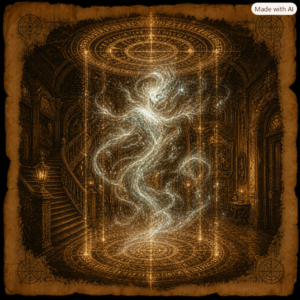
Ghost stories endure because they speak to something deeper than fear. Ultimately, they are about memory, regret, unfinished business, and the past that won’t stay buried. As a result, a well-crafted ghost story relies on emotional resonance, atmospheric tension, and a haunting that reveals something about the living as much as the dead.
The Arrival
Typically, every ghost story begins with an arrival. The protagonist enters a place touched by history – an inherited home, a forgotten room, a place they should not be. Quietly, the ghost is present and watching.
You must now determine the following.
- Why the protagonist is here
- What emotional baggage they carry
- What subtle detail signals that something is wrong
The haunting begins with silence.
Early Disturbances
Ghosts rarely reveal themselves immediately. Instead, they begin with small anomalies – just enough to unsettle, but not enough to confirm its existence.
They might use any of the following.
- A whisper with no source
- A shadow that moves against the light
- An object relocates
- A cold draft in a sealed room
Naturally, the protagonist rationalizes everything and, like the haunted house, the ghost observes. As a result, this is where the tension starts to build and the reader listens closer.
Revelations
Soon, both the ghost story and the ghost’s story become compelling when the past begins to surface. Gradually, the protagonist discovers fragments of the ghost’s life and death – clues that reveal who they were and what they left unfinished.
This revelation may come through:
- Journals
- Photographs
- Artifacts
- Visions
- Local lore
- The ghost itself
This is the emotional core of the story. The haunting gains meaning.
Escalation
Once the truth begins emerging, the haunting intensifies. The ghost becomes more active, more emotional, more dangerous – more desperate. In many ways, the ghost’s unresolved issue mirrors the protagonist’s internal conflict – their flaw, their fear, or their guilt.
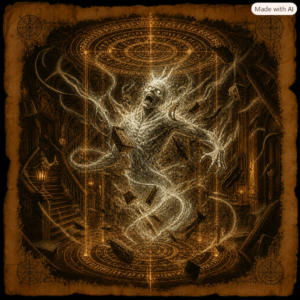
The ghost’s desperation may include:
- More frequent manifestations
- Physical interactions
- Distorted memories
- Nightmares
- Environmental changes
At this stage, the protagonist can no longer ignore the haunting.
Confrontation
Eventually, the time comes for the protagonist to confront both the ghost’s truth and their own. This is the turning point where the emotional and the supernatural collide.
The confrontation may involve:
- A confession
- A revelation
- A reenactment of the past
- A plea for justice
- A demand for release
This moment, ultimately, is the heart of the ghost’s narrative, the story’s defining moment.
Setting the Ghost Free
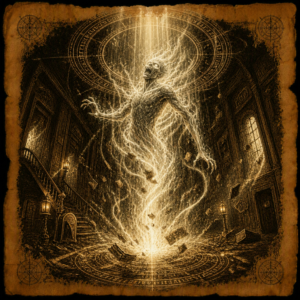
The ghost story ends when the protagonist addresses the ghost’s unfinished business. Therefore, the resolution should feel inevitable – an emotional release for both the ghost and the protagonist.
Resolutions may include:
- Justice delivered
- A secret revealed
- A promise fulfilled
- A truth accepted
- A memory restored
- A final goodbye
By the end, the haunting changes the protagonist, and the ghost finally falls quiet.
Ghost stories resonate all over the world because they blend external haunting with internal conflict. The ghost is never just a supernatural presence – it is a reflection of something the protagonist must face.
Part Three – How Haunted Houses and Ghosts Work Together
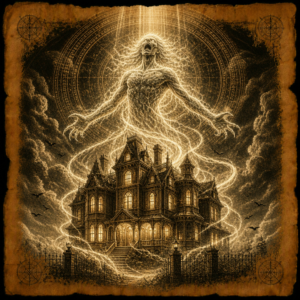
Haunted houses and ghosts go together like milk and cookies; they are natural partners. On one hand, the haunted house provides the physical space while, on the other hand, the ghost provides the emotional force. Writing them separate is perfectly fine, but when working in unison, they create:
- Atmosphere: The haunted house sets the tone of your story while the ghost sets the stakes.
- Escalation: When the protagonist enters, the house reacts to this presence that shouldn’t be here. The ghost intensifies the situation.
- Symbolism: The house reflects the ghost’s trauma while the ghost reveals the house’s history.
- Climax: The final confrontation between protagonist and the haunted house and ghost often occur in the house’s most symbolic room, the one where the ghost’s story began.
When these two systems, haunted houses and ghosts, interlock, the haunting feels intentional, ancient, and deeply personal. And, finally, I want to remind you these are only suggestions. It’s your world to build as you please.
Next Week: Witches, Curses, and Rituals
Next week’s installment explores the mythic backbone of supernatural fiction – witches, curses, and rituals. Together, these systems define how magic works, how consequences unfold, and how characters confront forces beyond their control.




 by

Leave a Reply